Monday, November 3, 2014

THE IMPORTANCE OF STRENGTH TRAINING FOR MARTIAL ARTS

It boogles the mind, but in this day and age I am still hearing martial artists say “strength training will make you slow”, “it will make you muscle-bound”, and “all you need is technique and do a million reps with light weights."

Times have changed!

It is now accepted that high levels of strength are a prerequisite to superior speed, power, strength endurance and overall performance. Coaches and trainers now recognize that proper strength training will make their athletes stronger, faster, and more resilient to injury.

Unfortunately, when most martial artists think of strength training, they think of the massive muscles of a bodybuilder, and that scares them, because they do not want to lose their speed, power or flexibility.

Typically you will see most practitioners of the martial arts doing tons of pushups, skipping rope and maybe some “functional training” stuff like tire flipping, sledge hammer, med balls drills… all typically conditioning drills, but none of that stuff really develops their strength. But a properly done strength training program can make a martial artist faster, more powerful, more flexible, and resilient to damage.

If martial artists focus only on developing maximum strength and muscular size, the benefits of strength training become limited. Martial artists must react with power to opponent's attack and maintain that power over numerous rounds. Simply lifting weights is not the best approach.

Martial arts-specific strength training programs are fundamental to an martial artists development and success.

Unfortunately, most strength training programs fall well short of what an athlete requires...

Bodybuilding and Olympic weightlifting programs still dominate many athletes' training regimes. While these types of training have their place, strength training for martial arts consists of a more refined approach than just following your favorite fitness magazines program of the month.


Sunday, October 19, 2014

TOP 5 FOODS TO SUPERCHARGE YOUR IMMUNE SYSTEM (plus 3 supplements)

Staying well while those around you sniffle and sneeze requires that you extract as much nutrition from your diet as you can, loading up on the foods that pack the biggest nutritional punch.

Avoiding processed foods, grains, and sugar will go a long way toward strengthening your immune system. However, you can do even more by selecting foods that are loaded with specific immune-boosting nutrients.

Eating a diet rich in the following foods will be far better for your health than loading up on handfuls of supplements, or worse yet, falling victim to vaccines that expose you to health risks far worse than influenza.

Below, I have outlined what I consider to be 5 of the absolute best foods you can eat to help protect yourself this season, although the list is certainly not exhaustive.

1. Fermented Foods
If you are serious about boosting your immunity, then adding traditionally fermented foods is essential.

Good fermented foods include natto, kimchee, miso, tempeh, pickles, sauerkraut, yogurt (watch out for sugar), and olives.
Friendly bacteria have a powerful, beneficial effect on your gut's immune system, your first line of defense against pathogens, and aid in the production of antibodies.

2. Coconut Oil
Besides being excellent for your thyroid and your metabolism, coconut oil is rich in lauric acid, which converts in your body to monolaurin. Monolaurin is the actual compound found in breast milk that strengthens a baby's immunity.

When selecting coconut oil, make sure you choose organic ones that are unrefined, unbleached, made without heat processing or chemicals, and are non-GMO.


3. Blueberries and Raspberries
Blueberries and raspberries contain powerful phytochemicals, such as anthocyanin, which is the pigment that gives blueberries their color. And they are lower in sugar than many other fruits.

4. Mushrooms
Mushrooms strengthen your immune system because they are rich in protein, fiber, vitamin C, B vitamins, calcium, and other minerals.

Mushrooms also contain powerful compounds called beta-, which have been long known for their immune enhancing properties. The beta-glucans in medicinal mushrooms (especially Reishi, Shiitake, and Maitake) are notable for their ability to activate/modulate your immune system.

5. Green Tea
Green teas are rich in polyphenols, in the form of natural chemicals called catechins. The most powerful catechin in tea is epigallocatechin (EGCG), which was found in one study to be 25 to 100 times more potent than antioxidant vitamins C and E.
Make special immunity-boosting teas from a combination of herbs that synergistically cause your body to sweat -- which is very desirable if you want to eradicate a virus from your system. And then drink it hot and often.

Your immune system relies on nutrition to fuel and support many of its important functions. Along with a healthy diet, quality dietary supplements are a great way to help ensure optimal function of your immune system.

Listed below are 3 of the top immune boosting supplements.

1. Echinacea
Long used by North American Plains Indians and also known as the purple coneflower, Echinacea has been used to treat general infections and wounds, the cold and flu, strep throat and allergies. The potent herb encourages white blood cells and lymphocytes to attack invading organisms, thus increasing the number and activity of immune system cells. While you can find echinacea in power bars, teas and capsules, researchers recommend the standardized extract above all other forms.

2. Vitamin C
Long known for its myriad health benefits, vitamin C is one of the most popular nutrients taken in supplement form—and for good reason. This potent antioxidant has been shown to protect against immune system deficiencies, cardiovascular disease, prenatal health problems, eye disease and even wrinkly skin. While many multivitamins and energy drinks, such as Emergen-C, include "superdosages" of vitamin C, the ubiquitous immune system booster can be found in many of our favorite fruits and vegetables, including red peppers, strawberries, broccoli, dark leafy greens, and of course, oranges.


3. Zinc
Zinc, an essential trace element with antioxidant properties, plays a vital role in maintaining a healthy immune system. Individuals who suffer from mild to severe zinc deficiency are more prone to a variety of illnesses, but even those without a deficiency have been found to benefit from the administration of zinc, either in lozenge or spray form, at the early onset of a cold or flu.

By incorporating some of these fantastic foods and supplements, you'll not only evade the circulating viruses but improve your overall health and longevity at the same time.


Friday, January 31, 2014

<Print this out> 5 Easy Tips To Beat Stress


Stress is a fact of life, but being stressed out is not. We don’t always have control over what happens to us,  yet that doesn’t mean we have to react to a difficult, challenging situation by becoming frazzled or feeling overwhelmed or distraught. Being overly anxious is not just a mental hazard; it’s a physical one too. The more stressed out we are the more vulnerable we are to colds, flu, and a host of chronic or life-threatening illnesses.

For your benefit, I’ve come up with 5 easy, natural alternatives to anxiety.

1. Breathe Deep
Breathing from your diaphragm oxygenates your blood, which helps you relax almost instantly. Shallow chest breathing, by contrast, can cause your heart to beat faster and your muscles to tense up, exacerbating feelings of stress. To breathe deeply, begin by putting your hand on your abdomen just below the navel. Inhale slowly through your nose and watch your hand move out as your belly expands. Hold the breath for a few seconds, then exhale slowly. Repeat several times.

2. Stop Gritting Your Teeth
Stress tends to settle in certain parts of our bodies, the jaw being one of them. When things get hectic, try this: Place your index fingertips on your jaw joints, just in front of your ears; clench your teeth and inhale deeply. Hold the breath for a moment, and as you exhale say, “Ah-h-h-h,” then unclench your teeth and open your mouth wide. Repeat a few times.

3. Just Say No
Trying to do everything is a one-way ticket to serious stress. Be clear about your limits, and stop trying to please everyone all the time.

4. Stretch
Muscles tighten during the course of the day, and when we feel stressed out, the process accelerates. Stretching loosens muscles and encourages deep breathing.

5. Get up and move
It forces you to breathe more deeply and improves circulation. Step outside if you can; if that’s not possible, you can gain many of the same benefits simply by walking to the bathroom or water cooler, doing some push ups or dips, or by just pacing back and forth. The key is to get up and move.

Hope these tips help,
Coach Kimbrow

P.S. - Be sure to check out the Facebook page for more fat loss tips and tricks here at http://www.facebook.com/TheUltimateFatLossFormula

Sunday, November 24, 2013

Why Goal Setting Is Important And How To Do It Correctly

Setting goals is a fundamental component to long-term success. The basic reason for this is that you can’t get where you are trying to go until you clearly define where that is. Research studies show a direct link between goals and enhanced performance in business. Goals help you focus and allocate your time and resources efficiently, and they can keep you motivated when you feel like giving up.

We all seek success, and we know that nothing ever comes easy. In order to achieve the success we spend our lives chasing, we first need to define our goals. Once that is done, it’s time to start thinking about how to accomplish them.

I spent many years of my life seeking success before I realized that success is not a goal one can set for themselves, it is a product of achieving the goal.

How To Set Goals

Goal setting is something you need to practice in order to get it right. It takes time to understand exactly how to set a clear goal that is possible to accomplish. Goal setting is a process that will help you motivate yourself, and the more detailed and precise the goal is, the better your brain will analyze the steps in order to achieve it.

There is a technique that first asks you to set a lifetime goal, such as “I want to XYZ”, then break it down to small, quantified goals such as “In one week I will find someone that can help me get to XYZ”, and “In one month I will practice XYZ at least twice a week.” for example. The smaller and more manageable a task is, the easier it is to measure success, and understand what needs to be done in order to accomplish it. Planning towards these smaller goals not only makes it easier to formulate a definite plan of action that we can start working on right away, but research has shown that hitting smaller milestones provides real motivation and greater contentment.

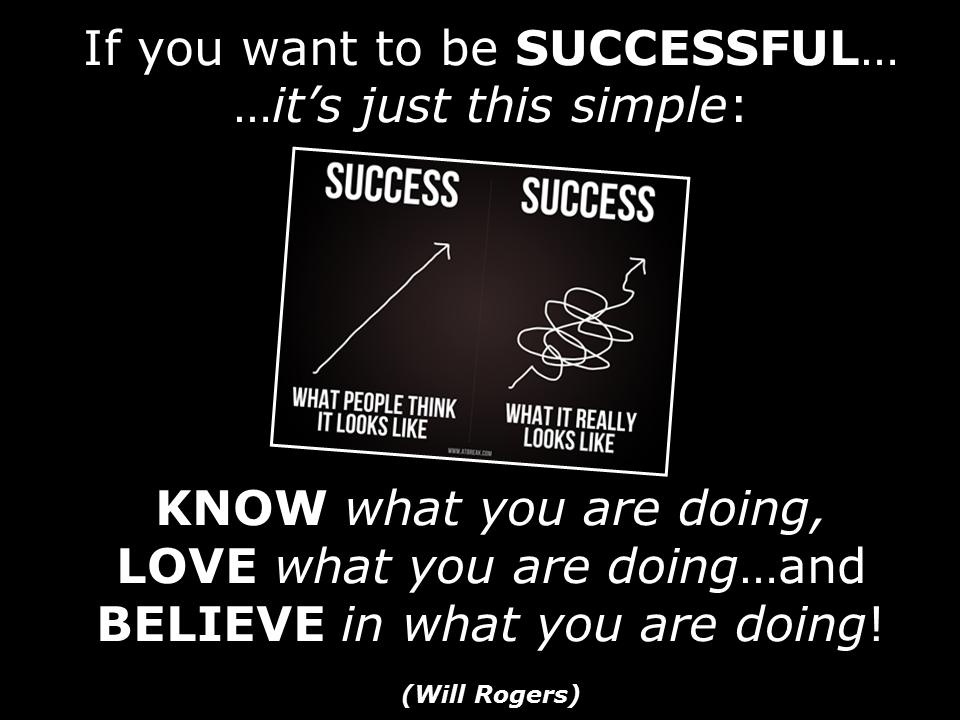
Achieving a goal is a process, and like every process sometimes you take one step forwards and two steps back. Its important to know how to track and measure your progress. Some goals are “instant goals” that you can accomplished very quickly, but others depends on the progress you make along the way. Sometimes there is a long road on the way to achieving your goals.


Knowing how to be honest with yourself, and learning from the good and bad choices made along the road, are vital parts of the process of achieving your goals. Always know what went wrong, and what went right. When something goes wrong, learn from it and move on. When something goes right, however, make sure know how to enjoy it.

Always Be Positive and Have Confidence In Yourself

Can we accomplished a goal without believing that its possible? Sometimes I feel like setting a goal is a process of making you believe in yourself and in your capabilities. Goals can only be accomplished if we are “hungry” enough to achieve them. In order to be hungry, you need to really want it, and be sure that you will do anything in your power to get there. Self-confidence combined with a positive attitude is the key to quickly achieving our goals.


To Learn More About How We Can Help You Set, Reach, and Exceed Your Goals, Call 410-645-0231 NOW.

Monday, August 5, 2013

Back Pain Is No Joke

Low back pain is one of the most common complaints among adults in the United States. Low back problems account for more lost person hours than any other type of occupational injury and are the most frequent cause of activity limitation in U.S. citizens under age 45. If you have never had low back problems, be grateful and include some daily preventive exercises to help reduce the chance that the problem will occur.

Causes of Low Back Pain

Many factors are related to low back problems, including structural abnormalities, some diseases, accidents, inappropriate lifting, poor posture, lack of warm-up prior to vigorous activity, lack of abdominal strength and endurance, lack of flexibility in the back and legs, and an inability to cope with stress.

You should call your doctor if...

- the pain continues for about a month,
- you are less than 25 or above 55 years old,
- you have or have had cancer, the pain has resulted from serious injury or trauma,
- the pain becomes worse when you lie down,
- you can't walk,
- you have fever with pain,
- you have numbness of the extremities, or
- you are experiencing defecation and urination problems.

RANDOM FACTS ON LOW BACK PAIN

-Ninety percent of adults in the United States will have a back problem during their lifetime.

-Low back pain is responsible for one-third of all disability dollars, about $24 billion in the United States.

-In 84 percent of cases no definite cause is found. Disc herniation, found only in 5 percent of the remaining cases, usually resolves spontaneously without surgical intervention.

-Continuous sitting, lying down, and the use of strong painkillers such as narcotics are the worst things one can do for back pain.

-The best thing one can do for preventing and treating low back pain is to participate in an appropriate exercise program.

Flexibility is an important component of fitness. By adding stretching exercises to your fitness workout, you can increase your range of motion and lower your chances of injury, particularly to the low back. When we are flexible, we are able to comfortably enjoy exercise and easily accomplish a variety of daily tasks pain free.


Tuesday, July 2, 2013

10 Strategies To Better Eating


As a society, we have a love-hate relationship with food. Two of the best-selling types of books are those dealing with cooking and dieting. Good nutrition is essential for optimal health. Poor eating habits are a major cause of many health problems. This post will give you the basic facts and reasonable alternatives regarding what you should (and should not) do in your own food selection.

Eating habits and foods vary according to lifestyles. The eating habits of people of our parents and grand parents generation were quite different from ours. They usually had one large meal (usually deep fried and rich in fat) early in the afternoon. Fats are the richest source of calories (nine calories per gram) and provide the most satiety. Such eating practices are still observed in similar working conditions all around the world. Thus, the common practice of three meals a day is not necessarily a physiological requirement but rather an innovation of urbanization and industrialization.

Much of the food advertised on television is not healthy, and most food-marketing campaigns are aimed at children who spend a lot of time watching TV. In addition, much of our food is processed, containing unhealthy preservatives and artificial colors. Some of the factors contributing to our nutritional problems are the ready availability and aggressive marketing of unhealthy food.

The metabolism of glucose varies from person to person. Daily variations of blood glucose levels are said to be as unique for each person as fingerprints. This implies that people do not have to eat the same number of meals at the same times. Some people may need only two meals a day, whereas others may need multiple snacks during the day.


Our eating habits are strongly influenced by our mental status. When eating becomes an outlet for frustrations and a ritual to deal with depression, it can be as addictive as drinking or smoking. We tend to eat more when we are happy and when we are sad; some express their psychological problems by binge-eating, others with anorexia. Eating disorders once observed only among upper middle class young women are now becoming prevalent in men and other age groups. Eating accompanied by alcoholic beverages has become an important vehicle for socialization. Calories are lavishly gained on dates, at business dinners, at birthday parties, during "happy hours," and even at funerals.

  • Eat a variety of foods.


  • Balance the food you eat with physical activity to maintain or improve your weight.


  • Choose a diet

          -with plenty of grains, fruits and vegetables;
          -low in total fat, saturated fat, and cholesterol;
          -moderate in sodium; and
          -with a moderate amount of alcohol if you drink (one to two drinks every other day).

  • Decrease consumption of soft drinks, cakes, cookies, and other foods containing sugar.


  • Increase intake of whole-grain breads; cereals; fruits; and vegetables, including beans, lentils, and peas.


  • Eat more lean meat, fish, poultry, and dry beans and peas as sources of protein.


  • Use alternative milk products.


  • Limit your consumption of eggs and organ meats.


  • Limit your intake of fats and oils, especially those high in saturated fats, such as butter, lard, shortening, and foods containing palm and coconut oils.


  • Broil, bake, or boil rather than fry, and trim fat off meat.


I cannot overemphasize the need to make small and systematic changes in your diet and activity levels to achieve and maintain your target weight. By objectively examining your eating habits and diet and making educated and sensible changes that you can adhere to over the long haul, you are on your way to taking your health and fitness to the Next Level.

+++++++++++++++++++++++++++++++++++++

We all know that losing weight isn’t an easy task. So many people struggle with weight problems and going on a strict regimen of diets and exercise is easier said than done. Most people need motivation to get the ball rolling on their physical fitness goals, or need a good guide to follow in order to achieve results. Fortunately, there might already be something in the market to solve these weight loss woes.
The Xtreme Fat Loss Diet is the new and effective weight loss program that aims to help you lose the weight in just 25 days.

The Xtreme Fat Loss Diet is a 25-day program that has been designed to help you get rid of all the remaining fat and stubborn flabs from your body. It works to target weight loss in those areas of the body that are not easily lost to exercise.

 There are a lot of benefits to taking on the Xtreme Fat Loss Diet. Aside from providing you with a quick and effective way of losing all that weight and fat, it is designed in such a way that really helps you to stick with the plan. The 24-hour intervals are not that long and the quick and regular changes avoid getting you bored. After 25 days, you’ve already conditioned your body into faster metabolism.

One disadvantage, though, is if you aren’t prepared to put in effort to work out. The Xtreme Fat Loss Diet will require you to follow an exercise program which you cannot do without if you want to achieve maximum results. The exercises are simple and easy to follow.

CLICK HERE To View The Product Site And Place An Order.

Thursday, June 13, 2013

14 Steps To Changing Negative Behaviors For Success

Are you physically active for 30 minutes every day?

Do you exercise at least three times a week at a moderate to vigorous intensity for 30 to 40 minutes each workout?

Do you smoke?

Do you have more than a couple of drinks a week?

Do you take other drugs or medicine on a regular basis?

Is your weight what it should be?

Do you eat a well-balanced diet?

Are you able to cope with day-to-day stress?

Can you deal with big emotional problems when they arise?

Do you rely on eating, drinking, and/or drugs when problems arise?

If your answers to these questions reflect a healthy lifestyle, then you can skip this post. Most of us, however, have one or more habits that prevent us from achieving our highest possible levels of fitness and health. In fact, as a society we could make great strides in public health if we changed several aspects of the typical U.S. Lifestyle.

If you have thought about changing the way you live so you can be healthier, then this post can help you.

For those areas in which you have decided to make a change immediately (preparation), you need to identify exactly where you are at now, set some long- and short-term goals, and get professional help (if needed) to determine the dimensions of your new behavior. For example, what type, how much, how frequently, and for how long are you going to engage in physical activity tomorrow? What specific changes are you going to make in your usual breakfast, lunch, dinner, and snacks tomorrow?

As you begin to make changes in your life, don't feel that you have to do it alone, ask for help. Choose someone who is a good role model for the desired behavior and who will be supportive of you as you make changes. Your fitness instructor, a counselor, or a close friend are good choices for people to enlist to help you throughout the process.

14 Steps To Changing Negative Behaviors For Success

  1. Acknowledge desire to change
  2. Analyze history of problem.
  3. Record current behavior.
  4. Analyze current status.
  5. Set long-term goals.
  6. Set short-term goals.
  7. Sign contract with friend(s).
  8. List many possible strategies that could be used.
  9. Select one or two strategies to use.
  10. Learn new coping skills.
  11. Establish regular contact with helper.
  12. Once goal is reached, outline potential maintenance problems.
  13. Learn new coping skills.
  14. Maintain periodic contact with helper.


This general plan has several components, but you won't necessarily use each step for every habit
you want to change. A procedure that helps you to resolve one particular problem may not work for someone else, and it may not help you resolve other problems. The steps outlined above provide a general plan of steps that can be reduced, added to, or modified depending on what works for you.