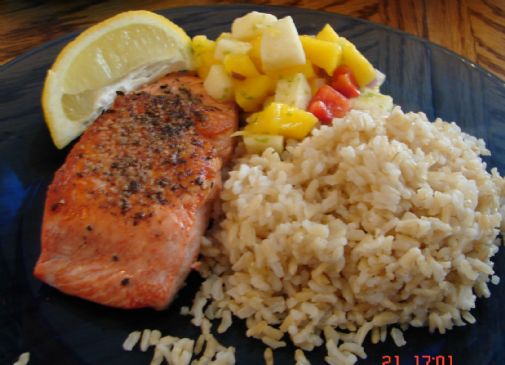
The term "standard American diet" refers to a diet rich in animal proteins and fats, high in cholesterol and saturated fats, high in processed foods, and low in fiber, complex carbohydrates, and vegetables.Sunday, January 18, 2015
Is Your "Healthy" Standard American Diet Killing You?
The term "standard American diet" refers to a diet rich in animal proteins and fats, high in cholesterol and saturated fats, high in processed foods, and low in fiber, complex carbohydrates, and vegetables.Posted by Rahsaan at 8:06 AM 0 comments
Sunday, October 19, 2014
TOP 5 FOODS TO SUPERCHARGE YOUR IMMUNE SYSTEM (plus 3 supplements)
Long known for its myriad health benefits, vitamin C is one of the most popular nutrients taken in supplement form—and for good reason. This potent antioxidant has been shown to protect against immune system deficiencies, cardiovascular disease, prenatal health problems, eye disease and even wrinkly skin. While many multivitamins and energy drinks, such as Emergen-C, include "superdosages" of vitamin C, the ubiquitous immune system booster can be found in many of our favorite fruits and vegetables, including red peppers, strawberries, broccoli, dark leafy greens, and of course, oranges.
Posted by Rahsaan at 8:58 PM 0 comments
Friday, January 31, 2014
<Print this out> 5 Easy Tips To Beat Stress

Stress is a fact of life, but being stressed out is not. We don’t always have control over what happens to us, yet that doesn’t mean we have to react to a difficult, challenging situation by becoming frazzled or feeling overwhelmed or distraught. Being overly anxious is not just a mental hazard; it’s a physical one too. The more stressed out we are the more vulnerable we are to colds, flu, and a host of chronic or life-threatening illnesses.
Posted by Rahsaan at 4:06 PM 0 comments
Tuesday, July 2, 2013
10 Strategies To Better Eating

- Eat a variety of foods.
- Balance the food you eat with physical activity to maintain or improve your weight.
- Choose a diet
- Decrease consumption of soft drinks, cakes, cookies, and other foods containing sugar.
- Increase intake of whole-grain breads; cereals; fruits; and vegetables, including beans, lentils, and peas.
- Eat more lean meat, fish, poultry, and dry beans and peas as sources of protein.
- Use alternative milk products.
- Limit your consumption of eggs and organ meats.
- Limit your intake of fats and oils, especially those high in saturated fats, such as butter, lard, shortening, and foods containing palm and coconut oils.
- Broil, bake, or boil rather than fry, and trim fat off meat.
Posted by Rahsaan at 9:05 AM 0 comments
Monday, September 10, 2012
Lunch: The Second Most Important Meal of the Day
Posted by Rahsaan at 2:03 PM 0 comments
Monday, August 27, 2012
The Truth About Artificial Sweetner: Sucralose
| Sucralose gives me the bubble guts :( |
Toxicology studies of sucralose show little effect. Cases studies have been reported on sucralose consumption and the increased incidence of migraines triggered by sucralose.
Posted by Rahsaan at 2:35 PM 0 comments
Tuesday, August 14, 2012
The Truth About Artificial Sweetners: Aspartame
| Click for a close up look at the WARNING label on pure Aspertame |
Diet beverages may represent the optimal use of intense sweeteners in weight control because they have the advantage of reducing the energy density of the product to zero. Studies indicate some modest weight loss has been shown when artificial sweeteners are used, but they go on to note that they are not appetite suppressants. However, additional research indicates it is not only the amount of calories contained in these substances that can have an effect on obesity and metabolism.
Posted by Rahsaan at 2:31 PM 0 comments
Tuesday, August 7, 2012
The Truth About Artificial Sweetners: Saccharin
| In a 2007 trial of 132 rats, they indicate virtually all rats preferred saccharin over intravenous cocaine. |
Posted by Rahsaan at 9:36 AM 0 comments
Saturday, July 14, 2012
PROTEIN: THE PRINCIPLES OF EVERYDAY EATING FOR ATHLETES
It is clear that protein requirements are increased by exercise— first, to account for the small contribution of protein to muscle fuel, and second, to account for any extra muscle that is laid down to increase muscle size and strength or repair damaged tissue. Many athletes will still be met by the general recommendation of 1g of protein per kilogram of body weight—e.g. 60 g for a 60 kg athlete. But athletes whose daily training sessions are lengthy and intense (burning up a significant total of protein fuel), or who are in a muscle-gain stage of their programs, will require an increase in their protein allowance. Athletes who are growing will need to cover these physiological requirements as well. However, don’t go rushing for a protein powder yet—although protein requirements increase in absolute terms (you may need more total grams of protein), the extra energy in your diet to fuel exercise should automatically allow you to eat more protein without having to consciously emphasize protein foods. In other words, your growing appetite and the more food that you will be required to eat should cover the increased protein needs.
Lean animal protein foods are able to supply all the body’s essential amino acids, as well as calcium (dairy foods) and iron (meats and shellfish). They may also be good sources of omega-3 fats—especially fish. Common sense should tell you that it doesn’t take half a cow to make up your daily protein needs—cereal with skim milk for breakfast, a chicken sandwich for lunch and a small steak for dinner will provide over 60 g of protein. In fact, the only athletes really at risk of failing to meet these guidelines are those who eat very restricted diets—low in energy, low in variety, or low in both.
| Vegetarian Protein Sources |
Another reason for athletes to be less concerned about the total amount of protein they eat is the growing evidence that the timing of one’s protein intake is a more critical factor in optimizing the results of training. When protein is eaten in the hour or so after a resistance/weights workout, there is a substantial increase in protein synthesis in the muscle. The same with endurance exercise. The exciting news from recent studies is that gains made by this strategic timing of protein intake around training sessions are real and stand out even from the results of eating protein throughout the day.
But be aware that you don’t need a lot of protein to provide all the building blocks for post-training protein synthesis. In fact, if you eat too much you will end up increasing the use of protein as a fuel. That’s not smart use of a relatively expensive nutrient. - Strategic intake of a protein-rich food or snack after key training sessions or competitive events promotes recovery and adaptation. It is the most effective way for an athlete to address the increased protein requirements imposed by exercise. - 10–20 g of a good-quality protein seems the ideal size of a protein recovery snack. There is a substantial increase in protein synthesis with a 10 g protein serve, but the response seems to level out at 20–25 g. In fact, more than 25 g of protein will lead to increased use of protein as a fuel source, which negates the purpose of consuming protein. - The ideal timing and pattern of a recovery snack is not known. However it makes sense to start protein intake within the hour after a key workout or event. If you have large energy needs, you may want to add a recovery snack before and after a strenuous workout.
Posted by Rahsaan at 1:24 PM 1 comments
Tuesday, June 5, 2012
Refueling Your Muscles after a Workout
After working out, you want your muscles to recover. Recovery is essentially the process of replenishing muscle glycogen. The better your recovery, the harder you'll be able to train during your next workout.
There are three critical periods in which to feed your muscles with carbs. These three periods are explained in the following discussion.
1. Immediately Following Your Workout
Your muscles are most receptive to producing new glycogen within the first few hours following your workout. That's when blood flow to muscles is much greater, a condition that makes muscle cells practically sop up glucose like a sponge. Muscle cells are also more sensitive to the effects of insulin during this time, and insulin promotes glycogen synthesis. You should therefore take in some carbs immediately after you work out.
The question is: What's the best type of carb for refueling?
Answer: carbs with a high glycemic index.
The glycemic index is a scale describing how fast a food is converted to
glucose in the blood. Foods on the index are rated numerically, with glucose at 100. The higher the number assigned to a food, the faster it converts to glucose.
A sport drink containing glucose, sucrose, or a glucose polymer (all high on the glycemic index) is a rapid and
efficient restorer of glycogen. Some of these drinks may also contain fructose, which isn't as fast at replenishing
muscle glycogen as either glucose or sucrose. That being so, try to avoid fructose, including fruit, as the sole source of carbohydrate in the period immediately following your workout. Stick to high glycemic index choices containing glucose and sucrose.
2. Every Two Hours Following Your Workout
Continue to take in a mixture of low and high-glycemic carbs every two hours following your workout. A word of caution: There is a drawback to high glycemic index foods. They may produce a fast, undesirable surge of blood sugar, and you can feel weak or dizzy.
3. Throughout the Week
To keep carbohydrate replenishment on track, stay on a high-carbohydrate diet from week to week. An excellent study of hockey players, whose sport requires both muscular strength and aerobic endurance, found that during a three-day period between games, a high-carb diet caused a 45 percent higher glycogen refill than a diet lower in carbs. By consistently fueling yourself with carbs, you can keep your muscles well stocked with glycogen.
Giving careful thought to what you eat and making sure you get plenty of carbohydrates will provide a solid foundation for optimizing both your performance and your health.
Posted by Rahsaan at 8:40 AM 0 comments
Labels: Nutrition, Recovery Training
Wednesday, October 19, 2011
Questions From Parents of Skinny Kids

If you are the parent of a skinny kid, you undoubtedly want to help your child add weight healthfully—without eating tons of ice cream, supersized fast-food meals, and expensive (as well as questionable) nutrition supplements. The following are some answers to the questions parents commonly ask about how to support appropriate weight gain in growing children.
Q: My 16-year-old son insists that I buy him protein powders and weight-gain drinks so he can bulk up. Are these necessary?
A: No. The single most important thing your son needs is extra calories to perform resistance exercise, which builds muscle. Most of these extra calories should come from carbohydrate (not protein supplements) because carbohydrate will fuel his muscles and give him the energy he needs for exercise. I recommend replacing water (apart from during exercise) with extra juice and low-fat milk as a simple way to boost calories. Note that even with no exercise, just eating extra calories stimulates a little muscle growth. Sedentary people gain about 1 pound of muscle with every 3 pounds of total weight that creeps on.
Q: My 12-year-old son is shorter than many of the girls his age. He feels embarrassed and asked me about protein supplements. Would they help him grow faster?
A: No amount of extra protein will speed the growth process. Boys generally grow fastest between the ages of 13 and 14. After this growth spurt, he will have enough male hormones to add muscle mass and start to grow a beard (“peach fuzz”). This growth spurt lasts longer in boys than in girls. After the growth spurt, boys continue to grow slowly until about age 20.
Q: My 13-year-old son wants to start lifting weights to bulk up for football. Should he?
A: A well-supervised weightlifting program (to prevent stress on immature bones and ligaments) with light weights can help your son grow stronger and help prevent injuries. But it will not contribute to bulkier muscles until he has enough male hormones to support muscular development. (This corresponds with the growth of adult-like pubic hair.) Boys generally bulk up after they have finished their growth spurts. Remind him that patience is a virtue!
Posted by Rahsaan at 10:01 AM 0 comments
Labels: Nutrition, Strength Training, Youth Athletes
Next Level Guide To Cows Milk Alternatives
There are many reasons to stop drinking cow’s milk: You’re lactose intolerant, you’re protesting on behalf of animals, there’s too much fat in it… the list goes on.It’s surprising to some, but we can actually get the nutrient fixes that milk gives us from alternative sources. It makes sense — we’re the only ones on the planet who drink another species’ milk, so it’s not like we naturally depend on it.
Soy milk — It’s the classic alternative and for good reason: It’s high in protein and B vitamins, low in fat, lactose-free and most are fortified with even more helpful minerals. Additionally, if you’re used to skim milk, the taste change is minimal. Take heed with more than a glass a day, though: It has components that stimulate estrogen production, which can encourage imbalances that create health issues.
Taste: Faintly sweet. Some varieties have a slight tofu flavor.
Pros: It has almost as much protein as cow's milk, plus plant chemicals that may help inhibit absorption of cholesterol. It's often fortified, so shake the carton well—added calcium tends to settle at the bottom, says Zied.
Cons: Some studies suggest that overconsuming soy promotes breast cancer. "A good guideline is about 25 grams of soy protein per day," says Zied.
Best in: Creamy soups and salad dressings, sauces, casseroles, and other savory dishes. Vanilla-flavored varieties are great in coffee or tea (or by the glass!).
Almond milk — This one’s been climbing the charts lately because both companies and consumers have discovered that almond milk is delicious. Some swear by it and say it tastes even better than soy. It has all the same benefits as soy (although it’s generally slightly less fortified with other minerals) and tends to stay fresh longer. The only caution to take with almond milk is with children: Some doctors say the early introduction of nuts into a child’s diet can predispose them to a nut allergy.
Taste: Creamy, rich, and slightly nutty with a hint of sweetness
Pros: The least caloric of the bunch, it's fortified with vitamin E, a powerful antioxidant that fights UV damage, as well as calcium and vitamins A and D.
Cons: While almonds themselves are a good source of fiber and protein, the milk contains skimpy amounts of these nutrients (that's because the milk is made by grinding the nuts and mixing with water). Almond milk is also higher in sodium than other alternatives.
Best in: Smoothies, coffee, and cereal
Hemp Milk — This is a newer alternative that’s yet to gain steam. It offers nutritious benefits similar to the above milks, although the protein content isn’t as high as it is in soy or almond. It’s creamier than most alternative milks, so it’s more than suitable for most cooking. For vegetarians or vegans wanting to vary the types of protein they consume, this is also a great choice.
Taste: Nutty and earthy
Pros: It's naturally rich in omega-3 fatty acids—wonder nutrients for your heart, brain, and mood. Hemp milk is made with cannabis seeds, but it won't get you high, because it lacks significant THC (the psychoactive ingredient in marijuana).
Cons: Depending on the brand, you may gulp only 10 percent of your daily calcium needs. It's not a great source of protein either.
Best in: Mashed potatoes, muffins, and quick breads. Unobtrusive in flavor, it's a good stand-in for cow's milk in baked foods.
Rice Milk — Rice milk has all the usual benefits, except it exchanges high protein content for a high carbohydrate count. The taste can be suspect and it’s hard to cook with, but you certainly won’t find many people allergic to this product.
Taste: Light, watery, and sweet
Pros: The carbs. "Have a glass before or after a workout—it offers carbs to fuel and fluid to hydrate, and like a sports drink, it's a good source of electrolytes," says Nancy Clark, R.D., author of Nancy Clark's Sports Nutrition Guidebook.
Cons: The carbs. If you're trying to drop a few pounds, it's best to eat whole-grain carbs, which contain filling fiber; rice milk has zero.
Best in: Desserts, baked goods, pancakes, and French toast. Its natural sweetness complements indulgent foods.
Coconut milk - While coconut milk is high in saturated fat, it is much healthier than other saturated fat products, and the fat is easily metabolized by the body. Coconut milk also offers some particular health benefits. It is anti-carcinogenic, anti-microbial, anti-bacterial, and anti-viral. The main saturated fat that it contains, lauric acid, is also found in mother's milk and has been shown to promote brain development and bone health.
Taste: Thick, creamy, and, well, coconut-y
Pros: It has the least amount of sodium and can be fairly low-cal—even some flavored kinds will cost you only 90 calories per serving. Plus, most brands are fortified with half a day's worth of vitamin B12, a brain-boosting nutrient.
Cons: "The majority of fat is saturated," says Lauren Slayton, R.D., founder of Foodtrainers in New York City. But at five grams per serving, it constitutes less than 8 percent of your total daily value for fat.
Best in: Coffee, tea, pudding, smoothies, and oatmeal—it's a go-to thickener.
All milk alternatives have added vitamins and minerals in order to make them similar to cow's milk. To determine which one is the best is a bit tricky, but it would greatly depend on what your nutrition goals are.
It may come down to taste, so determine which of these milk alternatives you enjoy drinking the most while still fitting in with your dietary guidelines. My only recommendation would be to avoid the products with added sugar as the calories greatly increase in those.
Which of the above milk alternatives do you prefer?
Posted by Rahsaan at 9:28 AM 0 comments
Labels: Nutrition, Recovery Training
Wednesday, October 12, 2011
Nutrition Questions and Answers
A: By eating carbohydrate before exercise, you’ll provide fuel for a stronger workout (even just 5 to 10 minutes beforehand offers benefits). By eating a little protein along with the carbohydrate, you’ll start to digest the protein into amino acids, which get used by the muscles during and after exercise. Good choices for a preexercise snack include fruit yogurt, low-fat chocolate milk, cereal with milk, a poached egg with toast, and almond milk and an granola bar.
Q: I’ve heard I should eat as soon as I finish lifting weights, but I’m not feeling hungry then. Why is immediate refueling so important?
A: After a hard gym workout, your muscles are primed for getting broken down: Their glycogen (carbohydrate) stores are reduced, cortisol and other hormones that break down muscle are high, the muscle damage that occurred during exercise causes inflammation, and the amino acid glutamine that provides fuel for the immune system is diminished. If you just guzzle some water
after your workout and dash to work, you’ll miss the 45-minute postexercise window of opportunity to optimally nourish, repair, and build muscles. You can switch out of the muscle breakdown mode by eating a carbohydrate–protein combination as soon as tolerable after you exercise.
Q: Why are protein supplements so popular? Are they better than real foods?
+++++++++++++++++++++++++
Discover the ONLY no-nonsense, un-biased, and research-backed solution that makes it EASY to understand how your body works and the fundamentals of good nutrition...and how they fit together in a “clear and to the point” manner.
If you’re like millions of other motivated – yet frustrated – health seekers, you’ve been crying this tune for some time now. And, it’s time for it to stop.
You need to turn off (or at least slow down) the flow of information and, instead, focus on acquiring the RIGHT information that will give you clarity and a deeper understanding to move you closer to your health goals.
If you’re serious about eating healthier, eliminating nagging health issues, and getting as healthy as possible so you don’t die of a preventable (genetic) disease, lose function as you age, or regain any weight you’ve previously lost, then what you’re about to read will save your life - or at the very least, prolong it.
Because, you’ve been lied to and misled. You’ve been purposely confused, overwhelmed, and kept in the dark about your health and nutrition.
CLICK HERE To View The Product Site And Place An Order.
Posted by Rahsaan at 8:53 AM 0 comments
Labels: Nutrition, Recovery Training, Strength Training


.jpg)